
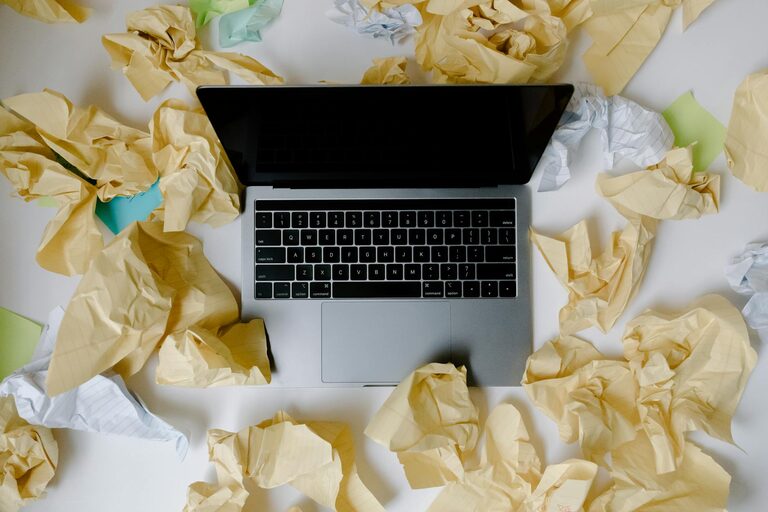
Simple Ways to Reduce Household Paper Clutter
Keeping paper clutter under control can feel like a never-ending battle. Bills, receipts, mail, school papers, and random notes pile up quickly, creating a messy environment that’s hard to manage. Fortunately, with some simple strategies and consistent habits, you can reduce household paper clutter and maintain a tidier home.
In this post, we’ll explore practical tips to help you organize, reduce, and manage your paper piles effectively.
Why Reducing Paper Clutter Matters
Before diving into solutions, it’s worth understanding why reducing paper clutter improves your daily life:
– Less stress: A clear space can help your mind feel calmer and more focused.
– More efficiency: When papers are organized, you can find important documents quickly.
– Cleaner appearance: A clutter-free home looks more inviting and comfortable.
– Environmental benefit: Reducing paper use helps conserve trees and resources.
1. Sort and Purge Regularly
One of the easiest ways to prevent paper from piling up is by sorting and purging your papers regularly.
Steps to sort effectively:
– Set aside time weekly: Dedicate 10-15 minutes each week to go through new papers.
– Create clear categories: For example, bills, important documents, junk mail, and keepsakes.
– Discard immediately: Recycle or shred anything you don’t need right away—junk mail, outdated offers, old receipts.
– File important papers: Place essential documents in labeled folders or binders.
Regular attention keeps clutter manageable and prevents overwhelming piles.
2. Go Digital Wherever Possible
Digital storage is a great way to cut down on physical paper.
Ways to digitize:
– Scan important documents: Use a scanner or smartphone app to save documents as PDFs.
– Store in the cloud: Upload scanned files to cloud services like Google Drive or Dropbox for easy access.
– Use digital bills and statements: Opt for e-billing from service providers and unsubscribe from paper mailing lists.
– Take photos of receipts: For warranties or returns, snap quick photos instead of keeping paper copies.
Once documents are backed up digitally, you can reduce or eliminate keeping physical copies.
3. Create an Organized Filing System
Having a designated spot for papers helps avoid loose stacks and confusion.
Tips for setting up a filing system:
– Choose a location: Pick a convenient spot like a drawer, box, or filing cabinet.
– Use clear labels: Label folders clearly by category (e.g., “Taxes,” “Medical,” “Home,” “Kids”).
– Limit categories: Keep it simple to prevent overcomplicating your system.
– File immediately: Make it a habit to file papers as soon as they come in.
An organized system saves time and frustration when you need documents later.
4. Set Up a Mail Station
Incoming mail is often the root of paper clutter. Having a mail station helps you manage it efficiently.
What to include:
– Inbox tray: For new mail that needs sorting.
– Pen and notepad: For jotting quick notes or reminders.
– Recycling bin: Nearby for immediate disposal of junk mail.
– Folders for action items: Separate folders for bills to pay, items to file, and things to do.
Processing your mail daily or every few days keeps papers from accumulating.
5. Use a Calendar or Planner
Many papers come from appointment reminders, schedules, or to-do lists.
How a planner helps:
– Write down events: Keep track of appointments instead of keeping printed reminders.
– List tasks: Reduce sticky notes and loose papers by using your planner.
– Goal tracking: Monitor ongoing projects or paperwork deadlines digitally or in one place.
This reduces the need to keep multiple papers scattered around.
6. Limit What You Bring Into Your Home
Reducing incoming paper is vital to managing clutter.
Try these tips:
– Unsubscribe from catalogs and junk mail: Use websites like DMAchoice.org to reduce ads.
– Receive digital newsletters: Shift to online versions when possible.
– Be selective with handouts: Only accept flyers or pamphlets you truly need.
Fewer papers coming in means less to organize or toss.
7. Turn Papers into Useful Items
If you want to keep some papers, consider giving them a second life.
Ideas for repurposing:
– Shred old papers to use as packing material.
– Use scrap paper for notes or shopping lists.
– Create notebooks or scrapbooks from old drawings or clippings.
This way, you recycle creatively and reduce waste.
8. Encourage Everyone in the Household to Participate
Paper clutter isn’t a one-person problem in a busy household.
Get everyone involved:
– Assign responsibilities: Kids can help sort school papers; spouses can handle bills.
– Set family rules: Agree on limits for what to keep.
– Share the filing system: Make sure everyone knows where things go.
Shared effort makes paper clutter management easier and more consistent.
Final Thoughts
Reducing household paper clutter is all about developing good habits and setting up simple systems. From going digital to creating a mail station, these practical steps will help you maintain a more organized and peaceful home environment.
Start small—pick one or two strategies today and build from there. Over time, your efforts will pay off with less clutter and more calm.
—
Feel free to share your own tips and experiences in the comments. What works best for you when managing paper clutter?
