
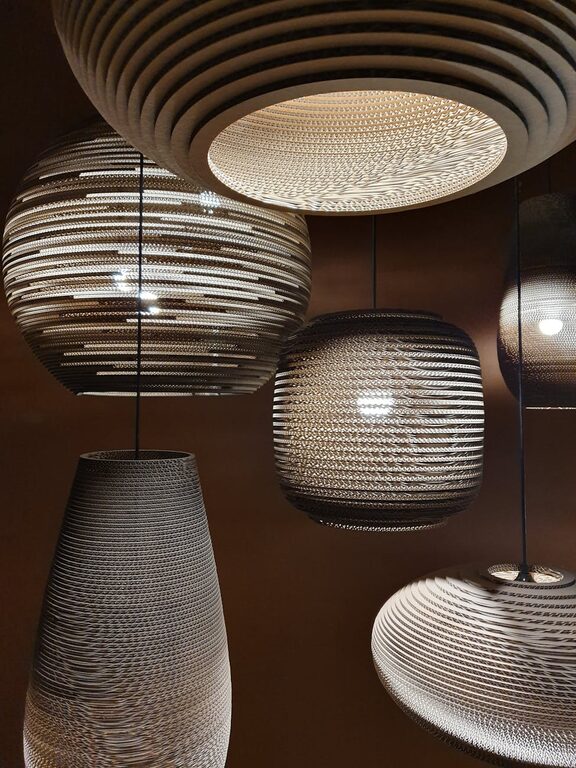
Tips for Choosing Comfortable Home Lighting for Every Room
Creating the perfect lighting in your home goes beyond just turning on a light bulb. The right lighting setup can transform a space, making it feel inviting, comfortable, and functional. Whether you are updating one room or planning a full home lighting makeover, understanding how to choose comfortable lighting is key to creating an atmosphere that fits your lifestyle.
In this post, we’ll explore practical tips to help you select lighting that promotes comfort and suits the unique needs of different rooms in your home.
Why Comfortable Lighting Matters
Comfortable lighting supports your well-being by reducing eye strain, improving mood, and setting the right ambiance. Harsh or poorly placed lights can cause discomfort or headaches, while thoughtfully chosen lighting heightens the appeal of your home and supports daily activities.
Understand the Types of Lighting
Before choosing specific fixtures, it’s useful to understand the three main types of lighting:
– Ambient Lighting: The general lighting that illuminates the entire room.
– Task Lighting: Focused lighting for specific activities like reading, cooking, or working.
– Accent Lighting: Decorative lighting that highlights features like artwork or architectural details.
A combination of these types creates a layered lighting effect that can be adjusted depending on your needs.
Tips for Selecting Comfortable Lighting in Your Home
1. Consider the Room’s Function
Start by thinking about how you use each room:
– Living Room: This is a space for relaxation and socializing. Soft ambient lighting combined with task lights (like reading lamps) can offer flexibility.
– Kitchen: Bright, clear light is important here to ensure safety and precision in cooking.
– Bedroom: Warm, dimmable lighting promotes calm and prepares your body for rest.
– Home Office: Bright task lighting helps reduce eye strain and keeps you alert.
Choosing lighting that complements the room’s purpose enhances comfort and usability.
2. Choose the Right Bulb Color Temperature
Lighting color temperature, measured in Kelvins (K), affects how warm or cool the light feels:
– Warm light (2700K–3000K): Provides a cozy, inviting glow. Ideal for living rooms and bedrooms.
– Neutral light (3500K–4100K): Balanced and natural, suitable for kitchens and bathrooms.
– Cool light (5000K+): Crisp and energizing, good for task-oriented areas like offices.
For comfortable lighting, aim for warmer tones in relaxing spaces and neutral tones where focus is needed.
3. Use Dimmers to Control Brightness
Installing dimmer switches gives you control over the intensity of your lights. Being able to adjust brightness allows you to create the perfect ambiance for any time of day or activity. Dimmers also help save energy and extend the life of your bulbs.
4. Layer Your Lighting
Don’t rely on a single overhead fixture. Layering different lighting sources adds depth and flexibility:
– Use ceiling lights for ambient illumination.
– Add table or floor lamps for task lighting.
– Incorporate accent lights such as wall sconces or LED strips to highlight features.
This approach allows you to adjust lighting for comfort and mood in seconds.
5. Avoid Glare and Shadows
Glare from harsh lights or shadows from poorly placed fixtures can cause discomfort. Position bulbs and lamps to spread light evenly. Consider lampshades or diffusers to soften light output and reduce eye strain.
6. Choose Fixtures That Complement Your Space
Select lighting fixtures that match the room’s style and size. Oversized or overly bright lights can overwhelm a small room, while too-small fixtures may not provide enough illumination for larger areas.
7. Opt for Energy-Efficient Bulbs
Modern LED bulbs offer excellent brightness, come in different color temperatures, and consume less energy. Choosing energy-efficient lighting helps you save money and reduce your environmental footprint without sacrificing comfort.
8. Experiment and Personalize
Comfort is subjective. Don’t hesitate to try different bulbs, fixtures, and layouts to find what feels best for you and your family. Take note of how natural light enters your space and plan your lighting accordingly.
How to Maintain Comfortable Lighting
Once you’ve set up the lighting, keep it comfortable by:
– Regularly dusting and cleaning fixtures for maximum brightness.
– Replacing bulbs as soon as they dim or flicker.
– Reassessing your lighting after seasonal changes in natural light levels.
Final Thoughts
Choosing comfortable home lighting involves considering your activities, selecting the right brightness and color temperature, and layering different sources. By following these tips, you can create a lighting design that feels welcoming and suits your daily routines perfectly.
Feel free to experiment with different setups—your ideal lighting is out there waiting to brighten your home in the most comfortable way possible!
